Your Complete Burgundy 2024 Guide

A complete guide to the regions, villages and growers of Burgundy, including the vintage report from Lay & Wheeler's Buying Director, Catherine Jaën MW. You can find out more about how the campaign works here.

Read ahead, before the wines are released on 7 January 2026. Links to the wines already released are live now.

Burgundy 2024: Victory from the jaws of defeat

The Côte d'Or sits at the heart of Burgundy, but it is just the centre of a region that spans north into the vineyards of Chablis, and south to the warmer climes of Beaujolais, demonstrating the remarkable variety one can find in the wider Burgundian terroirs. So, as you’d expect, in a region where the nuances between individual parcels are so highly prized, each area can tell a different story, even in the same vintage.

To help you, Lay & Wheeler Buying Director, Catherine Jaën MW, has updated our guide on the individual regions, communes, and producers of Burgundy, across Chablis, the Côte de Nuits and the Côte de Beaune, with all of their individualities in 2024.

We encourage you to read, explore, and make your selections. As Catherine says in her vintage report, “The first thing people will tell you about the 2024 vintage in Burgundy is how very small it is, particularly when it comes to Chablis and the Pinots of the Côte de Nuits. And while this is true, what is so much more important...is that the quality of the vintage is truly wonderful."

The guide focuses on the 2024 vintage, however a few domaines release their wines later in the year, and in this case we'll be sharing their 2023 vintage. These will be clearly marked throughout.


Chablis

The vineyards of Chablis burst from the eponymous town in this northernmost outpost of Burgundy. They are home to the most varied expressions of Chardonnay found anywhere in the world, capturing all the many facets of the grape grown in these cooler climes, on limestone soils. 

Chablis, as it often does, suffered the most pronounced extremes of the vintage. As well as poor flowering and mildew from the constant rain, the appellation also had to deal with frost and a viscous hail storm. This tempest wreaked 15 minutes of devastation across the grands and premiers crus surrounding the town of Chablis on 1st May. Some growers report losses here of 90%. 

What makes the losses in Chablis all the more galling is this is just the sort of vintage - style and quality wise - that the market was crying out for: fresh, tense, and linear. A return to classical Chablis.

The advice here: carpe diem, particularly when it comes to the premiers and grands crus, which we expect to sell quickly.

Domaine Jean-Claude et Romain Bessin-Tremblay

La Chapelle Vaupelteigne

Romain Bessin has calmly stepped into his father’s shoes at the understated but superb domaine in the sleepy hamlet of La Chapelle Vaupelteigne. Like Jean-Claude, he is self-effacing and modest in a way that belies the confidence of the winemaking going on here.

These wines remain a relative secret, though they are beginning to gain a (well-deserved) wider reputation, thanks to the praise heaped on them by critics in recent years. They paid a heavy price in 2024 and volumes are drastically down here.

Samuel Billaud

Chablis

Samuel left his family domaine to set up on his own in 2009, and over the past fifteen years has carved out a place for himself among the top names in the appellation. Both Neal Martin and William Kelley tip him as a topflight producer here. With a singular and energetic determination, he has accomplished this by sticking to one simple principle: making the kind of Chablis he likes to drink. This happens to be a taut, coiled style that lies at the tight, mineral end of the Chablis spectrum. He achieves this through early picking, minimal use of oak, and long ageing on lees. The wines are reductive, edgy, and piercing.

Domaine Jean-Paul et Benoît Droin

Chablis

Benoît Droin is one of the most consistent and skilled growers of his generation. His collection of distinctive Chablis are a series of mini masterpieces that each add up to a remarkable body of work. And each vintage he notches up is a reminder of his unwavering consistency.

This makes his wines a seriously attractive buy. Prices have remained reasonable, and these Chablis run circles around many far more expensive wines.

The 2024s remind Benoît of the 2014s - a high point in recent history. I found them, pleasingly, more approachable in their youth than the 2014s, but can see some of the similarities: there’s a nervous tension, but also, more fruit amplitude.

Domaine William Fèvre

Chablis

This historic domaine is starting an exciting new chapter, following its recent acquisition by Domaines Barons de Rothschild. Talented régisseur, Didier Séguier, remains at the helm, and quality has never been better, nor the future more promising.

William Fèvre can take much credit for shaping the story of modern Chablis. He took charge of the historic family domaine in 1957, growing it from seven to an impressive 50 hectares at a time when life was hard, and vineyards infrequently turned a profit. He was one of the most influential characters of the post-war Chablis story, bringing the region back from the brink and making it into the profitable and exciting appellation it is today. After a lifetime of shrewdly amassing the choicest premier and grand cru sites, he retired in 1998, selling to négociant Bouchard, who wasted no time in buying even more vineyards. Under its new ownership the domaine has a re-energised direction.

Didier’s enthusiasm for environmental sustainability and biodiversity, impeccable winemaking talents, and infectious adoration for the Chablis region have driven the estate forwards and established it as one of the greatest producers of premiers and grands crus Chablis. 2024 is punishingly small here, but the wines have a classical Chablisien balance, and offer superb ageing potential.

Domaine Gilbert Picq

Chichée

This is a recent addition to the Lay & Wheeler portfolio. It’s an historic domaine whose consistent track record is to be admired. What particularly drew us in was the exceptionally good value the wines offer.

Didier Picq is one of the most well-liked growers in Chablis, and goes about making timeless, appealing Chablis raised entirely in stainless steel, guided through fermentation and élevage with a gentle, experienced hand. The wines are steely, straight, and mineral. This is understated and elegant Chablis at its best.

The estate spans 13 hectares in total, its vineyards found around the village of Chichée, and includes a high proportion of old vines. This is one of the few domaines now vinifying exclusively in stainless steel with natural yeasts. The secret to success here is time: Didier doesn’t rush things. He observes, he waits, he considers. He separated his village Vauclaire parcel for eight years in a row before bottling it separately, just to be sure it was consistently excellent and complete in any type of vintage. His 2024s are brilliantly nervous and zesty.


CÔTE DE NUITS

The Côte de Nuits encompasses the northern half of the Côte d’Or, starting just south of Dijon in Marsannay-la-Côte, and running south of Nuits-St-Georges to Comblanchien. It is home to some of the most famous vineyards in the world, peppered across its fourteen communes, each with a story to tell, and many winemakers to tell it.

In this fragile continental climate, where cool nights meet a spine of limestone that tilts the vineyards towards the morning sun, the vines enjoy a tension that gives these wines intricate complexity and devastating beauty.

The losses of 2024 were the heaviest here. There will not be much to go around. But what was made, especially in the higher echelons, is truly spectacular.

Marsannay-La-Côte

Marsannay is the northernmost commune of the Côte d’Or, notable also for being the only one in which red, white, and rosé Bourgogne can be produced. But the calibre of wines coming out of this northern frontier are much more interesting than these mundane facts.

The village, with its patchwork of brilliant and diverse terroirs, offers some of the best value in the Côte de Nuits. The reds are toothsome and fresh, with crunchy red fruit and charming tannins.

Its vignerons have high hopes that the village’s finest parcels will achieve the premier cru status they so deserve in the near future. 

Domaine Bruno Clair

Marsannay-la-Côte

Arthur Clair may be one of the most eloquent growers I taste with, possessing an uncanny ability to capture the essence of the vintage: “elegant, pure, and juicy” he describes the wines of 2024. He also pointed out, sagely, that there was no vintage to hide behind in 2024 - the truest expression of each vineyard is revealed in stark reality this year.

The quality improvements here since 2015 have been dramatic. All three of Bruno’s children, Édouard, Arthur, and Margot, have now joined the domaine. Their ascension has marked a clear gear change in quality at what is one of the most comprehensive domaines in Burgundy. The substantial estate covers a lot of ground, stretching from Marsannay right down the Côte de Nuits and into the Côte de Beaune. The headliners here - Clos de Bèze, Bonnes Mares, and Clos St Jacques - regularly outpace the competition in the annual Burgfest tasting. But their village Marsannays are as serious and interesting as their grands crus.

Édouard and Arthur have been slowly increasing the amount of whole-bunch fruit used in the reds, but in 2024 they reined it back down to between 0 and 30%, as the season had already given them the freshness they wanted. New oak, too, has been toned down (not that it was ever particularly high). The most poignant talking point here is the reduced volume. Some cuvées are down 80%. Extended ageing on lees has helped the wines fill out. The structure remains lighter than vintages like 2020, much for the better. The 2024s have energy and pace, and a lovely, buoyant freshness. There remains, as ever, a high baseline across the Marsannay wines, and a staggering crescendo to the top crus.

Some wines on allocation

Fixin

Fixin is a small appellation just north of Gevrey-Chambertin. It was once known for the dark, extracted, slightly wild, tannic wines that used to proliferate. But the modern Fixin is emerging as a source of interesting, well-priced, and also surprisingly complex Pinot Noirs.

This gear change is in large part thanks to its emerging superstar, Amélie Berthaut, whose wines have taken the appellation from a moderately interesting, good-value outlier to a small but exciting appellation which is quietly carving out a place in the mainstream firmament.

Domaine Berthaut-Gerbet

Fixin

Amélie Berthaut took over her father’s Fixin domaine in 2013. She was also able to add her mother’s Vosne-based vineyards, thus creating one large 18 hectare domaine with parcels running the length of the Côte de Nuits. Her arrival marked a clear shift in gear at the domaine, and has put the village of Fixin on the map. Her husband, Nicolas Faure, who also has a successful but much smaller domaine of his own, is chef des vignes. Together they are making some game-changing wines.

In the cellar, she practices far softer extraction than her father’s generation, and a shorter élévage, too. 2024 was tough in the vineyards, but she’s happy with the result in the cellar. These wines are bright and full of energy.

Some wines on allocation

Gevrey-Chambertin

Gevrey-Chambertin is one of the most famous communes in Burgundy, partly thanks to its size, but also thanks to the exceptional calibre of producers who call it home, and its staggering array of premiers and grands crus.

The village has two distinct halves. At the southern end sits the belt of grands crus: Latricières-Chambertin, Mazoyères-Chambertin, Charmes-Chambertin, Griotte-Chambertin, Ruchottes-Chambertin, Mazis-Chambertin, Chapelle-Chambertin, Chambertin-Clos de Bèze, and Le Chambertin itself. In the northern sector is the Combe de Lavaux, a curving hillside carved out by a river that once flowed down through the valley. The south-easterly exposure and the cooling wind that draws down the valley mean these vineyards enjoy a fresher, cooler microclimate.

Gevrey is a village of such diverse expression, and home to so many talented producers, it is hard to generalise on style. The common trope is for structured wines with a muscular, tannic quality, but in reality, there are as many rule-breakers as conformists, and you can find some of the most heartbreakingly beautiful and subtle wines here, as well as the firmer, bolder style the village has been historically associated with.

Domaine Duroché

Gevrey-Chambertin

With every year, this domaine grows in stature, and subsequently, demand. And that is because shy and modest Pierre Duroché is making some of the most exciting and delicious Gevrey-Chambertins around. It’s hard to define what the secret is here: the work in the vineyards is along organic lines, most of the fruit is destemmed, extraction is carefully done during a fairly short cuvaison, and élevage, with a very limited amount of new oak, lasts 12-15 months. Basically, nothing out of the ordinary for a top quality Burgundy domaine.

So the key to it all is simple: Duroché has amazing terroirs, and Pierre’s winemaking style just helps reveal them in their purest, most expressive form.

All wines on allocation


Domaine Rossignol-Trapet

Gevrey-Chambertin

This domaine has long been a trailblazer of biodynamic farming in Burgundy. They converted their first parcel in 1997, and by 2005 all 13 hectares of the domaine had been fully certified. The philosophy to work as naturally as possible governs all that they do, from vineyard to cellar.

Today the domaine is run by brothers Nicolas and David. Their father is a Rossignol from Volnay, their mother a Trapet from Gevrey-Chambertin. Hence the split of vineyards: most are concentrated in Gevrey-Chambertin, but there are a few outliers in Beaune well worth exploring.

The wines are bright and fragrant, often with a light, elegant structure and a long, savoury finish. As you move up the appellations, the wines gain impressive density. The wines are fresh and red-fruited, with a cool, balanced length.

Some wines on allocation


Domaine Armand Rousseau

Gevrey-Chambertin

As soon as you taste an Armand Rousseau wine, you realise why their name inspires such awe in the fine wine world, and why their wines are so fiercely snapped up. The transparency of terroir the wines show is an utter joy: they are brilliant because they are so quintessentially Burgundian. The domaine is now run by Cyrielle Rousseau, who is continuing the exceptional work of the generations that came before her.

All wines on allocation. Late release: 2023

Morey-Saint-Denis

This wonderful appellation is often overshadowed by the fame and glamour enjoyed by its neighbours: structured and serious Gevrey to the north, and sensuous, charming Chambolle to the south. This is good news for those who do explore its magnificent and often mysterious depths: it can offer a mesmerising combination of the two, and little edge all of its own.

It has a rich tapestry of grands crus: Clos St-Denis, Clos de la Roche, Clos de Tart, Clos des Lambrays, and Bonnes-Mares, which it shares with Chambolle-Musigny. And the wealth of premiers crus means the village is full of interesting wines that can over-deliver in quality for relatively lower prices, compared to their neighbouring communes.

Domaine Dujac

Morey-Saint-Denis

Domaine Dujac was only founded by Jacques Seysses in 1967, but in just two generations it has grown to become one of the most in-demand domaines in the fine wine world. His sons Alec and Jeremy now run the estate, with the help of Jeremy’s American wife, Diana. They are known for their use of whole-bunch, as well as their staggeringly brilliant array of terroirs across the Côte de Nuits. The wines have built in delicacy and refinement over the years.

All wines on allocation. Late release: 2023

Express your Interest from 7 January

Domaine Stéphane Magnien

Morey-Saint-Denis

This tiny domaine has just 4.5 hectares of vines, but remarkably covers an impressive 12 appellations, including two grands crus. Today, it is run by the dynamic Stéphane, and all the vineyards he tends have been in the family for over 100 years. There are many Magniens in this part of Burgundy, but funnily enough, none are relations of Stéphane, who is more closely related to the Lignier family of Morey-Saint-Denis than those who share his family name.

Given its small size, and the fact that other larger producers share the Magnien name, it’s little surprise this domaine continues to fly under the radar. And although I’d still call these the hidden gems of the list, customers have caught on now, and the small volumes of excellent-value, top-class wines are snapped up quickly.

Domaine Ponsot

Morey-Saint-Denis

Domaine Ponsot’s cellar sits atop the hill overlooking the vineyards of Morey St Denis, with views stretching the length of the Côte de Nuits. They are one of the, if not the, defining domaine of the village, and the largest landowners in the hallowed terroir of Clos de la Roche Grand Cru.

The estate has been in the Ponsot family since 1872. Laurent Ponsot brought the estate to fame, with his flair for producing distinctive wines that broke the mould. His departure in 2017 saw the domaine transferred to the safe hands of his sister, Rose-Marie, whose appointment of régisseur Alexandre Abel has ensured the domaine’s signature style of late picking, de-stemming, and exclusion of new oak during élevage continued seamlessly. These are intense, concentrated, and fabulously long-lived wines, keenly sought by the domaine’s many loyal followers.

Late release: 2023

Domaine Arlaud

Morey-Saint-Denis

Cyprien Arlaud is a busy man: five children, a decent-sized domaine and a thriving négociant business keep him occupied. But even with so many plates spinning, he still likes to do things the best way, which often means the slow way. He farms some of his vineyards by horse alone, and has been practising exceptional vineyard husbandry for a very long time. The domaine has been organic since 2004, and started to convert to biodynamics in 2009, becoming certified in 2014. For many years he’s practiced the newer ‘softer’ pruning techniques which are now all the rage. The domaine might have only been around for three generations (since the 1950s), but the vineyards are tended with the wisdom of a vigneron whose thoughtful appreciation of the rhythms of  the season have seen the vines cope well with the extreme growing conditions of recent years. 

Since the early 2020s the wines have stepped up in quality, shaking off the reductive problems of the past. They are eloquent expressions of Pinot Noir, with tender fruit and gentle spice.

Since 2012 Cyprien has added a small selection of négociant wines, from vineyards managed organically by the Arlaud team throughout the year, which are bottled under the label Cyprien Arlaud. 

Some wines on allocation

Chambolle-Musigny

Chambolle-Musigny has probably stolen more hearts than any other appellation in Burgundy. It is home to two grands crus: Bonnes Mares, and perhaps the greatest vineyard of them all, Le Musigny.

It’s a small appellation, just 150 hectares. One third of these are devoted to premiers crus, some of which, in the right hands, have the power to outplay the grands crus. They beguile with their fragrant, red-fruited aromas and lacy tannins. This is where the classical balance of great Burgundy is played out: acidity and tannin dancing in step, with graceful fruit density behind.

Domaine Ghislaine Barthod

Chambolle-Musigny

Ghislaine Barthod is one of the most sought-after names in the village. In many ways, it’s a domaine that’s easy to understand: Ghislaine only makes Chambolles. Her wines appeal to purists both on paper and in the glass. But it can also be one of the most complicated domaines to understand: she has 11 premiers crus in the village, and many of them can be as awkward and reticent in their youth as they are spell-binding and seductive with age. Even her Bourgogne can take a decade to come around in more backward years. You’re never quite sure whether it’s going to be the hardest or the easiest barrel tasting when you visit.

Her cool cellar means slow development for these precise and intense wines. They have a transparent coolness and the deeply charged character of their terroirs. It is now her son, Clément, driving quality at the domaine. He managed, against the odds, to make all 11 premiers crus in 2024. An impressive achievement in itself. There is no new oak here, and the dazzling intensity of each site is evident in every glass, as one of the most direct translations of terroir you will find in the Côte d’Or.

All wines on allocation


Vosne-Romanée

Vosne-Romanée is a village revered amongst winemakers and enthusiasts alike: it is the holy grail of Pinot Noir. 

Its fame stems from its staggering clutch of grands crus, including the many monopoles of Domaine de la Romanée-Conti. The village is also home to some of the most sought-after names in Burgundy, and everything from village up to grand cru is met with huge demand.

The ideally-placed slope that catches the radiance of the morning sun is a riot of colour in the autumn, following harvest. These vineyards produce some of the most svelte, sophisticated, complex and delectable Pinot Noirs it is possible to imagine.

This high demand has pushed prices up, and Vosne is one of the most expensive places to buy your red wines. But the quality these bottles deliver justifies the outlay: these are wines of staggering beauty; inimitable, and timeless.

Domaine Sylvain Cathiard et fils

Vosne-Romanée

Under Sylvain’s tenure - which saw him build his estate from nothing - the domaine had already become one of Burgundy’s most celebrated. Since taking over in 2011, Sébastien has only elevated the quality further, meaning these wines have become some of the region’s most highly-prized by collectors. The bold use of new oak of Sylvain’s era (where almost everything was 100%) has been reined in by Sébastien somewhat. With that change he has brought a clarity and precision that makes the wines fabulously delicious in their youth, as well as jaw-droppingly beautiful with a little time. It continues to be one of the most collectable addresses in Vosne-Romanée. In the past few years he has added cuvées from the Hautes-Côtes and Gevrey-Chambertin and, while there is demand across the board, it remains the Vosne premiers crus and the exquisite Romanée-St-Vivant that steal the show.

Due to the terribly small volumes in 2024, Sébastien has blended his two Nuits-St-Georges premiers crus, Theory and Murgers, into one unique cuvée.

Some wines on allocation


Domaine Jean Grivot

Vosne-Romanée

The Grivots have a long history in Vosne, and both Jean and son Etienne can be credited with cementing the reputation of the family name. But it has been with the arrival of Etienne’s children, Mathilde and Hubert, that the domaine has really leapt forward. The wines are no longer as extracted and austere as in the past. They have a tenderness and crystalline purity to them, thanks to the gentler winemaking style, introduced by Mathilde.

Mathilde says that thanks to 2021, they had invested in small tanks, meaning she could vinify every cuvée separately in 2024. She has captured a luminous character in the wines: there is density and sophistication in the fruit complexity, with a fresh and vibrant rhythm to the wines. These are highly accomplished wines. What a shame volumes are down 75% in 2024.

Some wines on allocation


Nicole Lamarche

Vosne-Romanée

From 2019 onwards we have seen a major shift in gear at this address. Its name changed from Domaine François Lamarche to Nicole Lamarche. The estate had been divided, with Nicole’s cousin’s share sold to Comte Liger-Belair. But crucially, although Nicole lost her Malconsorts, she has kept the family’s magnificent monopole grand cru that lies plum between Romanée-Conti and La Tâche - La Grande Rue - intact. Her newly-found independence has seen the wines leap in quality.

The wines have a signature pale colour and translucent sweet aromatic fruit. They brim with red fruits, freshness, and lacy fine tannins. They are as striking and characterful as the woman who makes them.

Some wines on allocation


Domaine Méo-Camuzet

Vosne-Romanée

Domaine Méo-Camuzet is inextricably linked with the story of legendary tenant farmer, Henri Jayer. Jean-Nicolas Méo took over the domaine in 1989, but before his arrival at the family domaine, the vineyards had been rented to tenant farmers, including Jayer, who was a mentor to Jean-Nicolas in his early career.

Jayer’s influence continues to echo through the vintages to today. The wines are polished, opulent, voluptuous, and intense. Alongside the domaine, Jean-Nicolas has built up a highly respected micro-négociant business, Méo-Camuzet Frères et Soeurs, much of whose fruit is sourced from vineyards the Méos farm themselves.

Some wines on allocation


Domaine Georges Mugneret-Gibourg

Vosne-Romanée

Sisters Marie-Christine and Marie-Andrée, along with their daughters Lucie and Marion, make some of Burgundy’s greatest wines. Volumes were decimated here in 2024, and only 30 barrels in total were made. The wines show the usual sumptuous dimensions drawn from low yielding fruit, and formidable quality of terroir for which the domaine is celebrated. The wines have a potent elegance, and a class all of their own. Since there is precious little to go around, the domaine held back some 2023s to release alongside this tiny vintage to soften the blow.

All wines on allocation

Nuits-Saint-Georges

Nuits-Saint-Georges is one of the largest and most heterogeneous appellations on the Côte de Nuits, with a fascinating array of styles to explore within.

Simply speaking, the appellation can be divided into three. Wines from the southern outpost of Premeaux-Prissey just south of the town itself are some of the most delicate and refined of the appellation. The central southern sector around the town ranges from muscular and tannic to dense and enigmatic, particularly in the sector surrounding 1er Cru Les St Georges. And in the northern sector, as the vineyards approach the border with Vosne-Romanée, the wines show some of their neighbour’s velvety power, whilst retaining their structure and firm backbones.

Nuits is often misunderstood, and frequently underappreciated, perhaps because it has no grands crus. Its village wines can offer structure and complexity, whilst its premiers crus are notably age-worthy, and are often less dear than their siblings further north. Furthermore it is chock-a-block with exciting growers.

Domaine de l'Arlot

Premeaux-Prissey

Of all the domaines tasted this year, the story of drastically small volumes is at its most acute here. Some cuvées are down 90%. It’s hard to get past this point when talking about the wines. But what is equally apparent is the quality in the glass. They radiate with energy and precision. Quite how Géraldine Godot achieved this is a mystery.

This beautiful domaine in Premeaux-Prissey was bought by insurers Axa Millésimes in 1987, whose other estates include Quinta do Noval in Portugal and Château Pichon Baron in Bordeaux. Axa’s man at the top, Christian Seely, not only had the good judgement to appoint Géraldine Godot to the post of régisseuse in 2015, but also had the good sense to let her get on with her job, allowing her free rein to make the style of wines she loves.

She has thrived here, and her hard work is paying dividends for the estate’s remarkable holdings, including two monopoles, Clos de l’Arlot and Clos des Forêts. Her style brings finesse and delicacy. She has entirely stepped away from whole-bunch, and the wines have a classical Pinot serenity.

Some wines on allocation


Domaine Faiveley

Nuits-Saint-Georges

Domaine Faiveley is one of the most prestigious names of Nuits-Saint-Georges. It was founded in 1825 and is still under family control. Today it is run by seventh generation brother and sister, Erwan and Eve Faiveley. Their modern story is far more about their domaine holdings than their négociant past.

Their magnificent vineyards stretch across the length of Burgundy, and are particularly rich in Côte de Nuits grands crus. All the wines are vinified in their magnificent cellars in Nuits, which are more like a cathedral to wine than a winery. Faiveley may be big, but they’re also brilliant.


Marchand-Tawse

Nuits-Saint-Georges
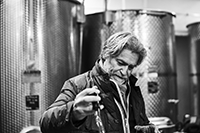
Québécois Pascal Marchand first came to Burgundy in 1983, making the wines at Domaine Comte Armand followed by Domaine de la Vougeraie, before establishing his own business. In 2006 he founded négociant Marchand-Tawse in collaboration with Ontario-born businessman Moray Tawse.

In 2012 they bought the nine hectare Gevrey-Chambertin estate, Domaine Maume. From 2016 onwards all the winemaking for both branches of the business has taken place in the company’s main cellars in Nuits-St-Georges, and from the 2021 vintage onwards, all the cuvées have been brought under the Marchand-Tawse label, however the domaine-owned wines are labelled with the extra signification of “Vignes de la famille Tawse”.

The domaine wines continue to be made by talented Englishman Mark Fincham, while Thomas Dinel ushers the impressive négociant wines through the cellar. Mark says the defining characteristic of Côte de Nuits reds this year is their old-school density and structure. He says, although he had plenty to worry about when it came to decimated volumes, he was never worried about quality like he was with 2021. He said there have never been any vegetal notes in the wines, but they are kept fresh by this old-school spice, not common in these warmer recent years, but extremely welcome as far as he is concerned.


Domaine Jean-Marc Millot

Nuits-Saint-Georges
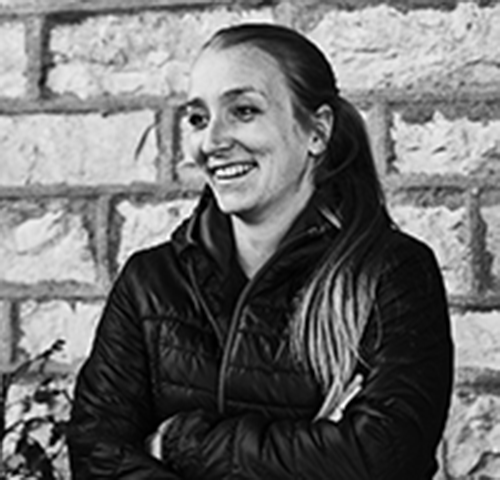
This domaine has witnessed one of the most successful generation shifts we’ve come across, with Jean-Marc’s talented daughter Alix Millot stepping up to the plate. The cellars might be based in Nuits-St-Georges, but most of their wines come from the appellations just beyond, including the truly excellent Côtes de Nuits-Villages.

Alix has also inherited some beautiful vineyards in and around Vosne and Flagey-Echézeaux from her mother, which have been a part of the domaine since 1987, including an exceptional parcel of premier cru Les Suchots, as well as three grands crus (Echézeaux, Grands-Echézeaux, and Clos de Vougeot). She has been in charge of winemaking since 2016, and the wines have taken on an extra precision and definition in her hands. Demand, quite deservedly, increases every year as Alix earns a name as one of the most exciting young winemakers in the region. The wines are muscular and handsome, with the vintage’s fluent terroir expression on display.

Some wines on allocation


Domaine Michèle et Patrice Rion

Premeaux-Prissey

Michèle and Patrice established their domaine in 2000, having split from Patrice’s father’s domaine - Domaine Daniel Rion. They are now joined by their son, Maxime, who has helped navigate the choppy waters of inheriting some family vineyards back, seeing the domaine grow by two and a half hectares in 2022, with the welcome addition of more Bourgogne and Vosne-Romanée parcels. They used the négociant label, Patrice Rion, in the transitioning years where they were obliged to buy fruit from family vineyards, but from 2022 onwards almost everything is domaine, with the exception of the sensational Nuits and Chambolle village wines, where a small amount of négociant fruit supplements the domaine’s vineyards.

The past few vintages have seen the quality explode here, and we feel extremely lucky to have taken a position when we did (we first bought the 2020 vintage). Maxime is making some very serious wines, with density and precision, and lots of soul. It’s hard to describe it as still under-the-radar, as the secret is well and truly out now. So make haste.

Maxime de-stemmed everything in 2024 and is pleased that he invested in a small vertical press many years ago - this came into its own in 2024, meaning small yields were handled with extreme care.

CÔTE DE BEAUNE

The Côte de Beaune marks the southern half of the Côte d’Or. From the villages that surround the hill of Corton, north of Beaune itself (Ladoix-Serrigny, Aloxe-Corton and Pernand-Vergelesses) to Maranges and Santenay in the south, the Côte de Beaune is home to some of the finest and most sought-after wines in the world.

The region is most celebrated for its whites, particularly from the exalted villages of Meursault, Chassagne-Montrachet, and Puligny-Montrachet, which are now joined by St-Aubin, a village that is increasingly considered a peer alongside these three giants. 

The region also has some exceptional reds to offer, most famously from Pommard and Volnay, whose premiers crus produce some of the finest examples of Pinot Noir in Burgundy.

While the most famous names can command prices to match the Côte de Nuits these days, there is still exciting good value to be found. With warmer summers, the Hautes-Côtes de Beaune, Santenay and Maranges are well worth exploring.

Hautes-Côtes de Beaune

The Hautes-Côtes are the villages that rise up behind the limestone ridge of the Côte d’Or. Their soils tend to be a little richer, and the average temperature a little lower, thanks to the cooling influence of these vineyards’ elevation.

It had once been a source of cheaper, uninteresting Burgundy, often produced using mechanised techniques that relied on big vine trellising systems, promoting larger yields. But things are changing in the Hautes-Côtes thanks to some early pioneers, and now, a new wave of growers are flocking here to celebrate its quality potential and undeniable value for money.

With warming temperatures and milder winters, this region is thriving, producing some seriously interesting wines from sites whose quality is only just being realised. 

Domaine Boris Champy

Nantoux

Boris Champy has spent the past seven years reinventing himself. He has transformed himself from a Dominus/Louis Latour/Clos des Lambrays company man into canny Hautes-Côtes vigneron at the vanguard of biodynamic farming, putting his name on the line in the region’s frontier region.

In 2019 he bought a domaine from maverick biodynamic pioneer, Didier Montchovet, in the pretty but sleepy village of Nantoux. The domaine had been biodynamically farmed for over 40 years, visited by the likes of Anne-Claude Leflaive, Lalou Bize-Leroy and Aubert de Villaine, who sought out Montchovet for guidance on the potential of biodynamics.

His 2024s are a highly accomplished set of wines from a man who is now an expert in his field. His Hautes-Côtes remain the main attraction, but it’s worth noting in recent years his whites have come on tremendously. Transferring lees on to the next vintage, à la Coche, is giving these wines an autolytic depth and natural freshness. As ever, they far outpace their humble appellation. Many of his wines include the elevation (in metres) of each parcel on their labels. This elevation means he took the full force of mildew a couple of weeks after the rest of the Côte. He fought it with all his biodynamic know-how, and has produced remarkable wines.

Beaune & surrounding villages

The small, fortified town of Beaune has a lively centre, buzzing with restaurants and wine bars, and is a magnet for tourists passing through the region. It’s easy to forget that the appellation of Beaune, in the vineyards that lie beyond the town walls, is worth investigating.

Beaune is home to many of the larger négociant houses, and as a result, prices have remained reasonable here. But what is really exciting now is that the town is witnessing the birth of a new wave of talented first-generation domaine/négociants, who have seized upon its more affordable vineyards and old cellars, and have set up their businesses here. Collectively they make some of the most exciting, talked-about wines in Burgundy. We’re proud to work with one of its brightest young stars, Catharina Sadde.


Les Horées

Beaune

Les Horées has been a runaway success since the release of Catharina Sadde’s first vintage, 2019. In the intervening years there has been no grower I’ve received more questions about and requests for. It’s official: this is hot property.

The outstanding career path that led to this German former chef establishing her own domaine/négociant saw the name register early interest with Burgundy enthusiasts. Domaines de la Romanée-Conti, Comte Armand, Marquis d’Angerville, and Cécile Tremblay are but some of the places Catharina has worked at in the decade preceding her establishing her own domaine, whilst bringing up a young family with her Burgundian husband. 

The business is beginning to fill its spacious cellars in Beaune as she both purchases more vineyards and secures more contracts for grapes. Volumes, nevertheless, are down in 2024. Her enthusiasm for biodynamic farming and low-intervention winemaking remain undimmed and this set of 2024s gleams with an enigmatic, ethereal charm. As we have become accustomed, there are a few new cuvées in the range this year. However, there is no Bourgogne Le Vieux Sage, Aligoté Aganippe, or Gevrey-Chambertin this year.

Demand remains at fever pitch for these wines.

All wines on allocation

Pommard

Pommard has for far too long suffered from an image problem. The general misconception is one of rustic and big-shouldered wines that need an age to come around. This may have been true a few decades ago, when winemaking was more extractive, and élevage less skillfully handled. But the same is not true today. For the more senior vineyards, you’ll still want to wait a few years, but you no longer need many decades to open these wines up to enjoy them.

Today the village’s Pinot Noirs displays a diverse expression depending on whether they are grown on the iron-rich clay slopes on the Volnay side of the village (like Rugiens), where you will find structured, full-bodied, tannic, rich wines, or on the flatter alluvial soils laced with limestone and magnesium on the Beaune side of the village (like Epeneaux) where elegant power and sumptuous poise are married with complex, spicy flavours. Not to mention the diverse style of the winemakers that call this village home.

Domaine Comte Armand

Pommard

This historic domaine has been a defining name in Pommard for generations. However, in recent years, under the stewardship of régisseur Paul Zinetti, it has moved up the ranks, finding itself amongst the handful of top red producers in the Côte de Beaune. 

Gentle extraction, long maceration, well-judged new oak, and extended élévages make for some of the finest reds in the region. Recent vintages have seen the old vines of their superb monopole, Clos des Epeneaux, fulfil their potential for elegant power. They also produce an interesting range of reds from neighbouring villages, plus a particularly lovely Aligoté. 

These 2024s have a vibrant energy. Paul decided to revert to 100% de-stemmed fruit, and the wines have a lovely fluidity, yet with their signature core: robust yet elegant.


Domaine Violot-Guillemard

Pommard

Joannès Violot-Guillemard is one of a clutch of exciting young growers in Pommard bent on changing the outdated image of the village. His father, Thierry, brought the domaine to fame, with his elegant, refined and pure Pommards, which have been certified organic since 1995. His son, Joannès, has been in charge since the 2019 vintage, and is taking things to the next level. With 22 different AOCs across 8 hectares, he’s got his work cut out, but he seems to be throwing himself into it with a determination and vision far beyond his years. He confers frequently with his friends in the Côte de Nuits, Nicolas Faure and Charles Lachaux, about vinification, and has significantly upped the use of whole-bunch in recent years. 

These are wines that show a young winemaker in full command. They are a transparent and eloquent expression of each site, continuing the style of his father, but with extra definition and refinement. He says he loves the wines of Cécile Tremblay, and I can see some of her style emulated here.

Volnay

Volnay is a name that conjures thoughts of red-fruited, fine-boned, long-lived red Burgundy. It has long been esteemed as the finest village for Pinot Noir in the Côte de Beaune, with good reason.

It is one of the smaller communes of the Côte de Beaune, and land here is highly prized. Comparison is often drawn with Chambolle-Musigny in the Côte de Nuits: their supple red fruit tones, mineral freshness and long, fine tannin structures certainly have some synergy. Volnay offers up perhaps a little more astringency and noble vegetal character than Chambolle, with a freshness and style of its own.

Domaine Louis Boillot et Fils

Volnay

Louis inherited vineyards in Volnay, as well as a few in the Côte de Nuits, from his father. For many years he has made the wines at the cellar he shares with his partner, Ghislaine Barthod, in Chambolle-Musigny. Now it is their son, Clément, in charge of both domaines, leaving Louis more time to pursue his other passion: hunting. 

With Clément’s ascension comes a step up in the Boillot cellar. He’s applying gentler handling and less extraction, meaning the wines’ style is more aligned to Barthod than ever before. Honestly, it’s a very clever place to look: you get that same talent and techniques as at Barthod, from some truly lovely vineyards, at a fraction of the cost. Perhaps they do not possess the huge ageing potential of the Barthod Chambolles, but in a vintage like 2024, you’ll want to be opening these in their first decade of joyful approachability anyway.


Domaine Michel Lafarge

Volnay

Lafarge is the defining name of Volnay. The family’s deep, damp cellars, with an impressive cushioning of mould on their walls, house these paradigm Volnays of timeless appeal. When Michel Lafarge, one of the greatest winemakers in modern Burgundy history, passed away in January 2020 at the age of 91, there was an outpouring of respect from all over the wine world, particularly from his fellow Burgundians. 

The domaine has been run for many years by his son, Frédéric, and more recently, grandchildren, Clothilde, Maxine-Henri and Eléonore. The wines of this address are deliciously fine-boned, discreet and tender-fruited, and made in a style that will never go out of fashion. They are also some of the longest-lived wines you’ll find in Burgundy. 

Frédéric is always enlightening when the question of which vintage the new one reminds him of, but in 2024 he is genuinely stumped. It is a unique expression.

No Vendanges Sélectionnées made in 2024. 

Some wines on allocation

Domaine François Buffet

Volnay

Volnay is a hallowed name, whose romantic wines have seen steep price increases over the past decade. So it is with genuine delight, if not a little surprise, that a few years ago we added a domaine that not only offers an embarrassment of riches from Volnay and around, but also makes some of the genuinely best-value red Burgundy you’ll find.

Marc-Olivier Buffet is almost always to be found in a pair of shorts, no matter the temperature. The cellars of Volnay are particularly damp, and Marc-Olivier’s family cellars are home to Lafarge-levels of mould. The wines he’s been making here in recent years have stolen the show when it comes to the Burgfest blind tasting, kicking in to touch far grander, and pricier, neighbours. Yet Marc-Olivier’s wines remain astonishingly good value for money. They show all the elegance and floral depth we yearn for in Volnay. 

The losses of 2024 are particularly acute here, and Marc-Olivier has but a meagre 20 barrels in total. He stepped away from whole-bunch and amazingly, made all of his premiers crus. He sees the character of the 24s “like 21 with more maturity.” His 21s are a true joy, so this bodes well.

Meursault

Meursault is the largest of the three major villages of the Côte de Beaune and is arguably the most famous, in spite of its having no grands crus.

It is home to some of Burgundy’s greatest winemakers, and its premiers crus are some of the most prized in the world. The likes of Charmes, Perrières, and Genevrières are highly sought after for their exuberant power and depth. Many of its village lieux-dits merit singular attention, and are well represented on this list.

A recent trend for earlier picking and reductive winemaking have meant some domaines have carved out a new style for Meursault that is tight and reductive, whilst others continue down the traditional path, producing wines with savoury depth, and a weighty power.

Domaine Ballot-Millot

Meursault

Charles Ballot has been running his family domaine in Meursault since 2000, and in the past decade in particular, has driven quality to great heights. He is the 17th generation of his family to live and work in Burgundy. It might seem hard for someone in that position to carve out their own distinctive name, but Charles has done just that. He works according to the lunar cycle in the cellar, and uses a minimal amount of new oak, always searching for terroir expression. He is also one of the few winemakers who has addressed the issue of premature oxidation head-on, not afraid to talk about the ongoing changes he is making to address the issue. He likes to bathe the juice in plenty of oxygen at pressing, and has fine-tuned his levels of sulphur dioxide so that they are low, but the wines are well-protected against premox. 

His 2024s continue his great string of recent vintages, and his Charmes is quite possibly the white of the vintage.

Some wines on allocation


Domaine Michel Bouzereau

Meursault

Jean-Baptiste Bouzereau has an amazing notebook. The notes it contains (on every wine) were started by his father, Michel, in 1982. It’s almost full now, and he jokes every year, perhaps it’s time to retire. 

Jean-Baptiste is on a winning streak at the moment. He’s been working at the domaine since the 1980s, spending 10 years alongside his father, Michel, who at one time held the prestigious post of President of the Burgundy Growers' Union (meticulous note-taking was maintained even during this tenure). Though the domaine is not certified, Jean-Baptiste works organically in the vineyards, and follows the lunar cycle in the cellar, paying attention to when best to rack, when best to bottle. But, tellingly, he says, with a twinkle in his eye, the most important day for any wine is the day you open it. This is a man who loves making wines to be enjoyed. There is nothing pretentious here, and as a result, the wines are full of depth and balance - including a particularly good village Meursault - and are an utter joy, no matter what day you open them.


Domaine des Comtes Lafon

Meursault

This domaine is one of the most sought-after names in Burgundy, and its wines are celebrated for their brilliance and longevity. Their Meursaults and Volnays are what define Burgundy for many. 

For many years the domaine was led by the talented and charismatic Dominique Lafon. The past few vintages have seen him hand over the reins to the next generation: daughter Léa and nephew Pierre. The classical style continues seamlessly here.

Some wines on allocation. Late release: 2023 (Le Montrachet is 2022)


Patrick Javillier

Meursault

Marion Javillier lost 30% of her crop in 2024, yet she is thrilled with the vintage. And she is totally justified: this is the best set of wines I can remember tasting at the domaine in the past decade. They are elegant, linear and straight, without any heaviness from rich alcohol, but with an amplitude of fruit. 

This shift to something rather more serious is to be made the most of. Blind, I think these village Meursaults could give many premiers crus a run for their money; and thus should be seen for the bargains they are. The village Meursaults are bookended by a brilliant-value Bourgogne Blanc and the jewel in the crown: Corton-Charlemagne Grand Cru.

Puligny-Montrachet

Puligny is one of the Côte d’Or’s three great Chardonnay villages, prized for its dazzling premiers crus and its four grands crus. It shares Le Montrachet and Le Bâtard-Montrachet with neighbouring Chassagne, and hosts all of Chevalier-Montrachet and Bienvenues-Bâtard-Montrachet. Puligny is perhaps the most prestigious of the three great villages thanks to their presence. 

And there is no shortage of premiers crus here, with 100 hectares out of 235 devoted to them, nearly half the entire appellation. The soils in Puligny are particularly thin and chalky, and the wines have a nervous, steely, filigree quality. They become arrestingly beautiful wines with some age.


Domaine Jean-Marc Boillot

Puligny-Montrachet

The domaine’s cellars are in Pommard, but the heart of the domaine lies in its staggering clutch of Puligny vineyards. Jean-Marc is the grandson of one of Puligny’s greatest growers: Etienne Sauzet. Today, it’s his daughter, Lydie, and her husband, François Alzingre, who run this dynamic, enterprising family estate. And though they have expanded operations into the Mâconnais, Côte Chalonnaise, and Languedoc, it is their Puligny portfolio that remains the most interesting part of their business. 

They bottle early, and the wines drink well from the off. 2024 shows the couple taking the wines to new heights. It’s a sensational vintage for Puligny, and these wines are fine-boned, elegant, and delicious.


Maison Olivier Leflaive Frères

Puligny-Montrachet

Lay & Wheeler has worked with Olivier Laflaive since the 1980s. It is nothing short of thrilling to see the new régisseuse, Solène Panigai, taking these wines up a level since her appointment in 2022. In 2024 she took some brave decisions, and the wines are a compelling oeuvre of her technical talent and burgundian savoir-faire.

This highly respected domaine/négociant has been a mainstay of our list for years. The whites have a huge and well-deserved following, with interest ramping up in the past few years. The wines continue to soar above their price-point.

These wines have a signature appeal: plenty of vibrant, detailed fruit, elegant reduction, and a well-judged lifted toasty oak. They are unrivalled for their universal appeal. This is quintessential white Burgundy.

Chassagne-Montrachet

Chassagne is the most southerly of the great communes of the Côte de Beaune. It not only has many superb premiers crus, but also three grands crus - half of Le Montrachet and Le Bâtard-Montrachet, and all of Les Criots-Bâtard-Montrachet.

Chassagne is not only fairly large, it also has some distinctive soil types, some of which are better suited to Pinot Noir than Chardonnay. The village had historically grown lots of Pinot, but it never achieved the prices of the Chardonnay. As a result many Pinot vineyards were replanted with Chardonnay. Those that remain still represent incredible value, and, by dint of not having been grubbed up, are a rich source of old vines, many planted well over 70 years ago. 

The white wines of Chassagne are quietly powerful and chiselled, with almond and hazelnut notes.


Domaine Bruno Colin

Chassagne-Montrachet

The various branches of the Colin family own large parts of Chassagne-Montrachet and St-Aubin, with many of the finest plots to their names. Bruno is part of the Colin-Deléger side of the family, and learned everything about making wine from his father, Michel, who is now retired (and whose domaine, Colin-Deléger, no longer exists). 


Since inheriting his share of the family vineyards in 2003, Bruno has built up an impressive domaine of his own, vinifying the wines in his father’s beautiful old cellars in the centre of Chassagne-Montrachet, and more recently, in a brand new high-tech winery opposite the church. His 2024s are generous yet light-footed, with ample stone fruit depth and mineral freshness. 

Some wines on allocation

Domaine Fontaine-Gagnard

Chassagne-Montrachet

Céline Fontaine has blossomed into a dextrous, thoughtful, and skilled vigneronne over the past few years as she has stepped into the leading role at her family domaine. The Fontaine family have been in the village of Chassagne-Montrachet for generations, and she has many branches of cousins with their own domaines in the village. Her domaine was established in 1985 by her parents, Richard Fontaine and Laurence Gagnard, when Richard left the air force and took up the four hectare share of Laurence’s family vineyards. Céline’s parents bought well during the 1980s and 1990s, and the domaine now stands at 12 hectares across 22 appellations. Their fabulous array of Chassagne-Montrachet premiers crus makes them one of the defining names of the village. 

The 2024s are the finest set of wines I have tasted at the domaine. They have such a wonderful ease and joy to them. Céline explained the alcoholic fermentations went through fairly quickly, but that the malolactic fermentations were slow and steady, resulting in complex minerality and some welcome carbon dioxide in the wines which has kept them nicely protected in barrel as they continue their élevage. Since 2022 she has been extending the ageing time for her top premiers and grands crus, to great effect. 

Some wines on allocation


Alex Moreau

Chassagne-Montrachet

In 2021 Alex and Benoît Moreau divided their family estate, Domaine Bernard Moreau et fils, between them. They had run it together since 1999, and in that time took this Chassagne address from one loved by a few insiders to one that challenged the region’s best, with a following to match.

It’s often sad when family estates are broken up, and the past few years have certainly been a difficult period for the brothers Moreau. But out of the division, a new and more confident Alex has emerged. 

He has remained resident in the original family cellars in Chassagne-Montrachet and it is clear he has flourished in his newfound independence. These 2024s are textural and balanced: these wines are exceptional. 

Some wines on allocation


Domaine Jean-Marc Pillot

Chassagne-Montrachet

Jean-Marc took over his family domaine in 1991, inheriting a wealth of senior Chassagne vineyards from his father. Since then he has moved production into a spacious, modern, purpose-built winery on the outskirts of the village. What the address lacks in rustic old-world charm it makes up for in functionality and exacting precision, and the quality of the wines has soared. More recently he’s been joined by his son, Antonin, who has driven the estate further forward, with conversion to organic viticulture well under way. 

While the estate mostly produces whites, it is notable for the quality of its few reds as well, which are derived from parcels of extremely old vines in Chassagne, relics of a by-gone era when Chassagne was planted more to Pinot than Chardonnay. The Pillots take their reds as seriously as their whites, and their Clos St Jean is one of the best in the business. The whites, grown on some of the village’s finest terroirs, are classical and refined, with a steely edge. 

The father-and-son team have lengthened the time their whites spend in barrel - now two winters before being bottled - and the wines have taken on an extra dimension. From 2024 they have decided to hold some premiers crus’ release time back until the spring, so you’ll have to wait for Morgeot, Vergers, and Caillerets.

St-Aubin

Once an also-ran, St-Aubin is now firmly considered alongside its neighbours Chassagne-Montrachet and Puligny-Montrachet as one of the finest sources of white Burgundy.

Smaller, and with fewer domaines than its larger neighbours, it is nevertheless home to some of the best addresses in the Côte de Beaune. Its chalky soils and elevation ensure vibrant freshness and tension, even in warmer vintages. The mildew arrived here a little later than in Puligny, and generally speaking, losses have not been so extreme compared to their neighbours.

Domaine Jean-Claude Bachelet et Fils

St-Aubin

The domaine gained organic certification in 2023. Brothers Jean-Baptiste and Benoît knew there would be hard vintages ahead, but 2024 took everyone by surprise with its enormous complications during the growing season. So, it is testament to their determination that they pushed through, and gratifying to learn that volumes were only moderately impacted. 

The Bachelets farm just under 10 hectares, which centre around their home village of St-Aubin, with some excellent parcels in Chassagne-Montrachet and Puligny-Montrachet. They have lots of old vines, including various parcels that were planted in 1927, and produce some of the southern Côte de Beaune’s most scintillating and concentrated wines.

Jean-Baptiste likes to keep the wines in barrel over two winters, which is a relatively long élevage in this part of the world, where most wines are bottled after one. The wines show best after a few years in bottle, so my advice is to tuck them away for another couple of winters yourself, and reap the rewards. 

Some wines on allocation


Domaine Marc Colin

St-Aubin

The southern end of the Côte de Beaune is not short of Colins. Domaine Marc Colin is run by Damien and Caroline Colin, siblings of Pierre-Yves and Joseph, who have both now established their own domaines. Damien and Caroline still retain the lion’s share of the original family holdings, with a significant position across St-Aubin, Chassagne-Montrachet and Puligny-Montrachet. 

The wines are pure, characterful, and offer elegant ageing potential. Damien looks for freshness rather than richness in his wines, and has moved away from cultivating very low yields. 

One major point of difference here in 2024 is the choice not to chaptalise. Damien is one of Burgundy’s great thinkers: no decision is taken without a thoughtful weighing up of the facts. He says the grapes were genuinely ripe at harvest time, and he was happy for the wines to sit between 11.5-12% abv. So this is perhaps the purest expression of the vintage you will find. And had I not been told, I wouldn’t have known: the wines miss none of the precision, ripeness and succulent fruit of the best wines of the vintage. They are a triumph.


Santenay

Not only is Santenay home to a bevy of talented young growers pushing the boundaries, it is also one of the villages decidedly benefitting from the changing climate.

Something that had held Santenay back in the past was its plant material. Quite a lot of the village was planted with productive clones of Pinot Noir, rather than the lower yielding, higher quality vines preferred in the Côte de Nuits, for example. The wines they produced could be rustic and ungainly. But with improving viticulture, and the tenacity of its talented young growers now shaking things up, pruning practices have brought yields down and tamed these vines, training them into submission, and subsequently producing far higher quality fruit.

Indeed, I have so much confidence in this village as a serious source of quality Burgundy that I added not one but two Santenay growers to our list. Its great value cannot be overemphasised: you can buy premiers crus here for prices that would make some Bourgognes from the Côte de Nuits blush.

Justin Girardin

Santenay

Justin Girardin is an emerging talent in Santenay. He inherited a 17 hectare domaine from his father, Jacques, and has proved once again, that a change in generation can bring about a revolution in quality and style. His family name carries the weight of recognition: his uncle, Vincent, built one of the Côte be Beaune’s largest and most successful négociant businesses. 

Over the past few years Justin has been quietly and carefully working away at things in the vineyard and cellar. He’s got boundless energy, and as well as running his domaine, is also a keen skier, hiker and runner. In his spare time you’re likely to find him up some impossibly steep mountain. His wines are astonishingly good value for money. Their character is much finer and less extracted than the rustic wines often found in Santenay. 


David Moreau

Santenay

David Moreau is a hotly tipped name in Santenay. He’s a master of his craft, having put in the hard yards in his youth, going the distance with an oenology degree in Dijon, followed by training with some of the greatest names in wine: Château de Beaucastel in Châteauneuf-du-Pape, Neudorf Vineyards in New Zealand, and Olivier Lamy and Domaine de la Romanée-Conti, in Burgundy. Until 2004 David’s grandparents were running the family domaine. David took up the reins of this nine hectare estate in 2009 after buying out his cousins. 

He is a perfectionist, and uncompromising in his quality control. If any fruit, any single barrel, or any cuvée don’t meet his high standards, he does not hesitate to sell it off to eager négociants. Therefore, you can be assured the wines with his own label on are only what he considers the very best. These were some of the most wonderful 2024s I tasted, and their value for money cannot be overstated. 

How it works

How it works

Our Burgundy 2024 range will go live at laywheeler.com/burgundy2024 at 10am on Wednesday 7th January 2026. The majority of wines that we have selected from this vintage will be available for sale at this point, although some producers may release their wines at a later date: these will be clearly marked. We will also be offering some late-release 2023 vintage wines.


The wines that are in high demand and available in limited quantities will be allocated. Customers are invited to express their interest in these wines via the above webpage between 10am on Wednesday 7th January, and 5pm on Friday 16th January.


Preference for allocated wines will be given to Cellar Circle members, with total spend across this Burgundy release and the wider Lay & Wheeler range over the years considered favourably.


The 2024 whites will be shipped starting from spring 2026, and the reds from autumn 2026.